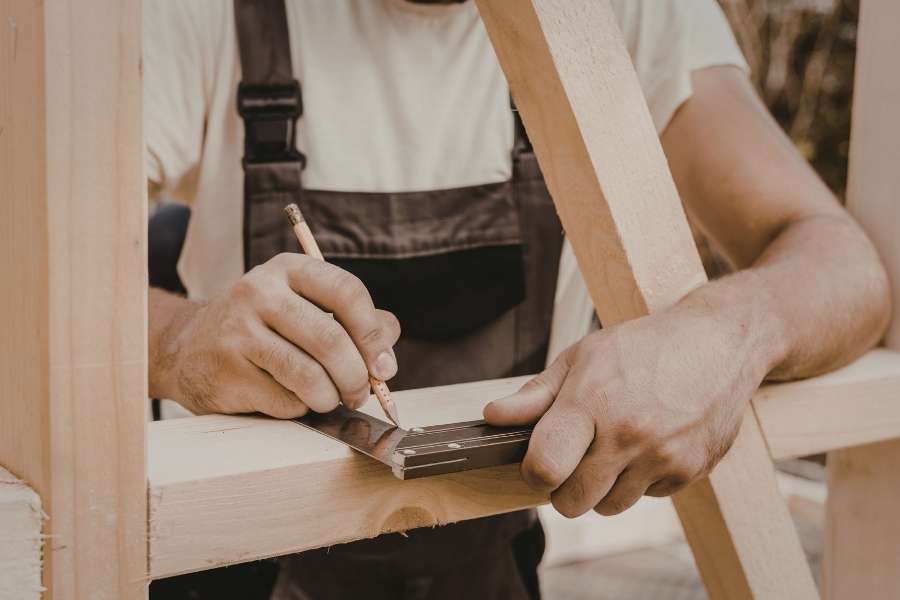
Have you ever finished a beautiful table only to watch it wobble? It is a painful moment for any woodworker. The secret to lasting furniture is the integrity of every single connection. Understanding Common Joinery Mistakes is essential for creating durable heirlooms. Building furniture is like engineering with an organic material. Wood breathes and reacts to its environment constantly. Ignoring these physical laws leads to structural weakness in your work.
Ignoring Wood Movement and Seasonal Expansion
The most frequent of all joinery mistakes is treating wood like plastic. Wood expands and contracts across the grain as humidity levels change. This movement exerts massive pressure on every joint you cut. You can learn more about managing materials by discovering how to create custom shelving units for storage for your home.
| Season | Humidity Level | Wood Behavior | Joint Risk |
| Summer | High | Expansion (Swelling) | Compression Cracks |
| Winter | Low | Contraction (Shrinking) | Loose joints |
| Spring | Fluctuating | Stabilizing | Glue Line Stress |
The Danger of Cross-Grain Gluing
Gluing boards with perpendicular grain directions creates a mechanical conflict. One piece pulls while the other stays rigid. This tension causes the wood to split or the glue to fail. Always use techniques like breadboard ends to allow for natural movement. This simple step stops your furniture from self-destructing over time.
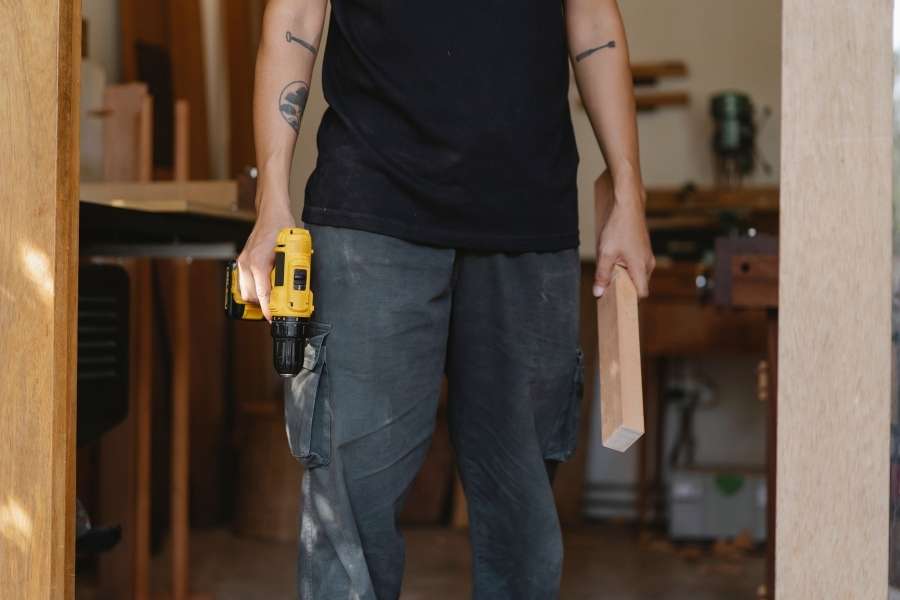
Poor Fitting and Gaps in the Shoulders
A joint is only as strong as its contact surface area. If a tenon is loose, the glue cannot create a bond. Most wood glues are not designed to fill large gaps. Poor fitting joints lack the friction needed to resist daily forces. If you want to master these connections, learn how to build a custom wooden table with precision.
| Equipment | Purpose | Result |
| Shoulder Plane | Squaring tenons | Flush, tight fit |
| Sharp Chisel | Cleaning mortises | Maximum surface contact |
| Marking Gauge | Precise layout | No misalignment |
Why Wooden Joints Become Loose Over Time
Gap-filled joints rely on brittle glue to hold the weight. Vibrations from sitting or leaning eventually crack this thin bridge. This leads to the dreaded loose joints that squeak constantly. A perfect “piston-fit” joint provides the best foundation for any project.
Incorrect Grain Direction Selection
Choosing the wrong grain direction makes components snap under light loads. Wood is strong along the grain but brittle across it. If a tenon has short grain, it will shear off easily. Always plan your cuts to keep long grain through structural parts. This prevents common beginner mistakes in woodworking joinery that ruin projects.
Structural Weakness in Dovetails
Dovetail pins cut with short grain lose all mechanical advantage. This mistake often occurs when trying to save wood scraps. High-quality furniture requires a thoughtful grain layout for every piece. Strong grain orientation ensures the piece handles weight for decades.
Excessive or Insufficient Glue Application
Many believe that more glue equals a stronger bond. However, glue failure often happens due to starved or hydraulic joints. Too much glue in a tight hole can crack the wood. Applying a thin, even coat to both surfaces is the best approach.
Dealing with Misalignment During Clamping
Clamping a project out of square creates permanent internal stress. This misalignment makes the furniture prone to snapping later. Always check for squareness before the glue begins to set. You can learn how to fix a wobbly joint in a chair by re-squaring it.
Frequently Asked Questions about Common Joinery Mistakes
Expert joinery requires patience and a deep understanding of wood. Here are answers to common questions about keeping furniture strong.
How can I stop my table top from cracking?
Always use buttons or Z-clips to allow for wood movement. Never glue a wide top directly to a solid frame.
What is the best way to fix a wobbly chair?
Disassemble the joint and clean off all old glue. Add a thin shim if the fit is too loose.
How do I know if my tenon is too tight?
It should slide in with firm hand pressure. If you need a heavy mallet, it might split the wood.