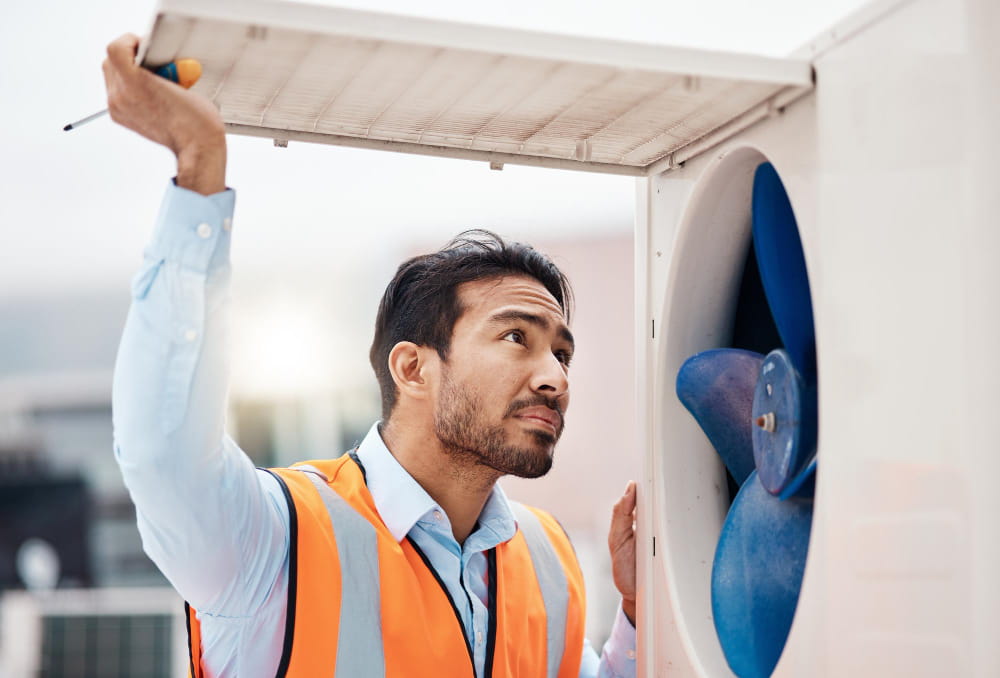
Managing a commercial building comes with constant pressure to keep tenants comfortable, control operating costs, and avoid unexpected disruptions. Heating, ventilation, and air conditioning systems sit at the centre of all three concerns. When these systems fail or perform poorly, building owners often face rising energy bills, tenant complaints, reduced productivity, and expensive repairs.
Modern commercial properties rely heavily on efficient climate control, yet many systems struggle to meet growing demands. Ageing infrastructure, changing environmental regulations, and inconsistent maintenance routines all contribute to ongoing HVAC challenges. Working with a reliable provider of commercial HVAC service can help building owners identify issues early and keep systems operating efficiently throughout the year.
Below are some of the biggest commercial HVAC problems affecting buildings today and why they continue to create difficulties for property owners and facility managers.
Rising Energy Costs and Poor Efficiency
One of the most common concerns for commercial building owners is the steady increase in energy consumption. HVAC systems account for a significant percentage of a building’s overall energy use, particularly in larger offices, retail centres, schools, and industrial facilities.
Older systems often run inefficiently because components wear down over time. Dirty filters, leaking ductwork, outdated controls, and failing compressors all force equipment to work harder than necessary. Even relatively small inefficiencies can lead to substantial increases in monthly utility costs.
Many building owners also struggle with systems that were designed for previous occupancy levels or outdated building layouts. Renovations, expanded office spaces, or increased equipment loads can place added strain on systems that were never designed to handle modern demands.
Inconsistent Indoor Temperatures
Uneven temperatures are another frequent complaint in commercial buildings. Some areas may feel too warm while others remain excessively cold. These inconsistencies can affect employee comfort, customer experience, and workplace productivity.
Temperature imbalance usually results from several overlapping factors, including:
- Improper zoning design
- Faulty thermostats
- Blocked air vents
- Poor insulation
- Duct leakage
- Oversized or undersized equipment
Large commercial spaces often require complex zoning systems to maintain balanced airflow throughout the property. When zoning systems fail or are poorly calibrated, maintaining a comfortable indoor environment becomes difficult.
Building owners frequently underestimate how much inconsistent temperatures can affect tenant satisfaction. In competitive commercial property markets, comfort issues may even influence lease renewals.
Lack of Preventative Maintenance
Many HVAC emergencies stem from neglected maintenance. Commercial systems operate for long hours and experience heavy wear throughout the year, especially during peak summer and winter seasons.
Unfortunately, preventative maintenance is often delayed due to budget concerns or operational priorities. Small issues that could have been resolved quickly then develop into major mechanical failures.
Routine inspections are essential for identifying worn belts, refrigerant leaks, electrical problems, clogged coils, and airflow restrictions before they escalate. Without regular servicing, systems gradually lose efficiency and reliability.
Partnering with an experienced HVAC provider allows building owners to establish scheduled maintenance programmes that reduce downtime and extend equipment lifespan.
Indoor Air Quality Concerns
Indoor air quality has become a major priority for commercial properties in recent years. Employees, tenants, and customers are increasingly aware of how air quality affects health, comfort, and productivity.
Poor ventilation can allow pollutants, dust, allergens, Mold spores, and airborne contaminants to circulate through the building. Inadequate filtration systems may also contribute to respiratory discomfort and unpleasant odours.
Buildings with poor air quality often experience:
- Increased employee complaints
- Reduced productivity
- Higher absenteeism
- Unpleasant indoor environments
- Greater risk of Mold growth
Commercial HVAC systems must now do more than regulate temperature. They also need to support healthier indoor environments through proper ventilation, filtration, and humidity control.
This challenge becomes even greater in older buildings where ventilation systems may not meet modern standards.
Ageing HVAC Equipment
Many commercial buildings continue operating systems that are well beyond their expected service life. While older equipment may still function, performance often declines significantly after years of continuous use.
Ageing systems are more prone to:
- Frequent breakdowns
- Reduced efficiency
- Expensive repairs
- Difficulty sourcing replacement parts
- Inconsistent performance
Building owners sometimes delay replacement because of the upfront investment involved. However, continuing to repair outdated equipment can eventually cost more than upgrading to modern systems.
Newer HVAC technologies often include advanced energy-saving features, smart controls, and improved environmental performance. Over time, these improvements can help offset installation costs through lower operating expenses.
Difficulty Finding Skilled Technicians
The commercial HVAC industry continues to face a shortage of experienced technicians. As systems become more advanced, the need for specialized training increases.
Modern commercial HVAC equipment often involves sophisticated automation systems, digital controls, variable refrigerant flow technology, and complex energy management systems. Diagnosing and repairing these systems requires technical expertise that is not always readily available.
Building owners may experience longer wait times for repairs, especially during periods of extreme weather when service demand increases sharply. Delayed repairs can disrupt daily operations and create uncomfortable conditions for occupants.
Choosing an established HVAC company with qualified commercial technicians can help reduce these risks and ensure faster response times when problems occur.
Smart Technology Integration Challenges
Many commercial properties are now adopting smart building technologies to improve efficiency and automate operations. While these systems offer substantial benefits, integration can present challenges.
Older HVAC equipment may not easily connect with newer building management systems. Compatibility issues can create communication problems between thermostats, sensors, controls, and HVAC units.
In some cases, poorly configured automation systems may actually reduce efficiency rather than improve it. Staff training also becomes important, as facility managers need to understand how to properly operate and monitor modern HVAC technologies.
Despite these challenges, smart systems remain an important part of future commercial building management. When implemented correctly, they can provide valuable energy insights, predictive maintenance alerts, and improved operational control.
Meeting Environmental and Regulatory Standards
Commercial buildings are under increasing pressure to improve sustainability and comply with evolving environmental regulations. HVAC systems play a major role in achieving these goals.
Many older systems use refrigerants that are being phased out due to environmental concerns. Building owners may need to upgrade equipment to comply with new efficiency and refrigerant standards.
Energy benchmarking requirements, local emissions targets, and green building initiatives also continue to influence HVAC decisions. Owners who fail to modernise systems may face higher operating costs and reduced property competitiveness.
Balancing regulatory compliance with operational budgets remains one of the most difficult challenges many property owners face today.
Conclusion
Commercial HVAC systems are more complex and more important than ever before. Rising energy costs, ageing equipment, inconsistent temperatures, indoor air quality concerns, and growing regulatory demands all place pressure on building owners to maintain efficient and reliable systems.
Ignoring HVAC issues rarely saves money in the long term. Small performance problems can quickly escalate into costly repairs, tenant dissatisfaction, or operational disruptions. Regular maintenance, timely upgrades, and professional system management are essential for protecting both property value and occupant comfort.
As commercial buildings continue evolving, HVAC systems must evolve alongside them. Owners who invest in proactive maintenance and modern solutions are far better positioned to reduce costs, improve efficiency, and maintain dependable building performance for years to come.