Imagine stepping into a warm shower after a long day at work. Suddenly, you hear a scary noise right inside your utility closet. Is your household water heater making strange noises out of nowhere? You are definitely not alone in facing this noisy home headache.
These loud mechanical sounds are your appliance’s way of calling for help. Ignoring unusual noises can lead to major tank damage or massive leaks. This guide reveals what those sounds mean and how to fix them.
Why Is Your Hot Water Unit Sounding So Loud?
To fix a noisy tank, you must know how it heats water. Modern water heaters run quietly when all parts function correctly inside. Cold water enters the bottom, and heating components warm it up fast. Over time, normal mineral wear turns a quiet appliance into a noise machine. Discovering innovative plumbing solutions for modern homes helps homeowners upgrade system reliability and prevent acoustic issues effectively.
Plumbing units operate under intense pressure and high thermal heat every day. Understanding this basic process helps you catch small issues early without stress. You will save money by solving simple problems before calling a plumber.
The Real Impact of Hard Water Minerals
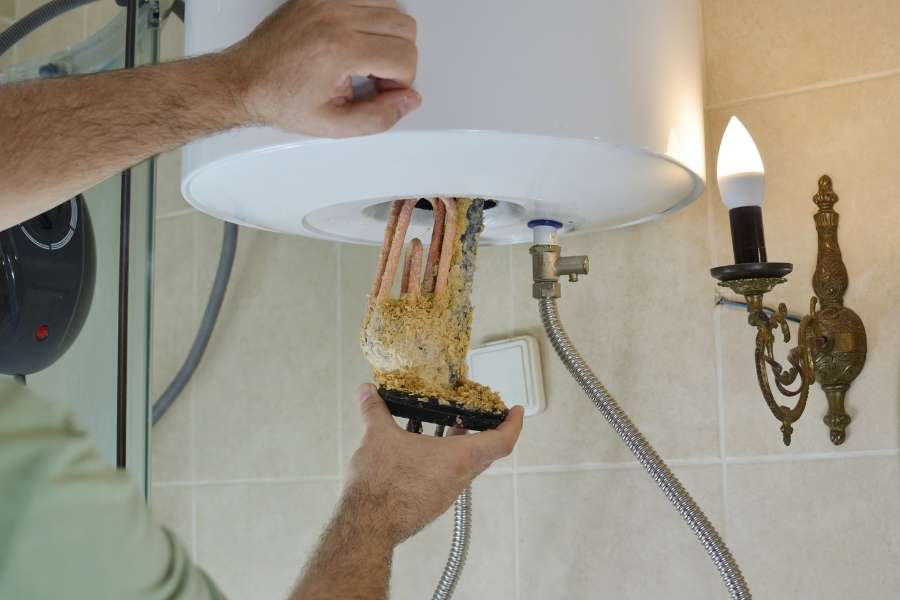
The main reason for tank noise is heavy sediment buildup on the bottom. Minerals like calcium quickly settle at the base of your unit. This layer forms a hard crust right over the heating source.
Water gets trapped beneath this thick mineral layer and boils very rapidly. The trapped steam bubbles burst through the hard crust with loud pops. This continuous reaction creates constant popping, knocking, and cracking sounds inside.
Another big problem involves the protective anode rod inside the tank. This metal rod slowly degrades to protect your tank against aggressive corrosion. Once it dissolves completely, swift tank corrosion begins attacking the raw steel.
At the same time, electrical issues like a bad lower heating element occur. A broken control can cause a sudden thermostat failure and dangerous overheating. These mechanical failures create loud boiling sounds and extreme internal water pressure.
Learn to Identify Every Strange Sound Correctly
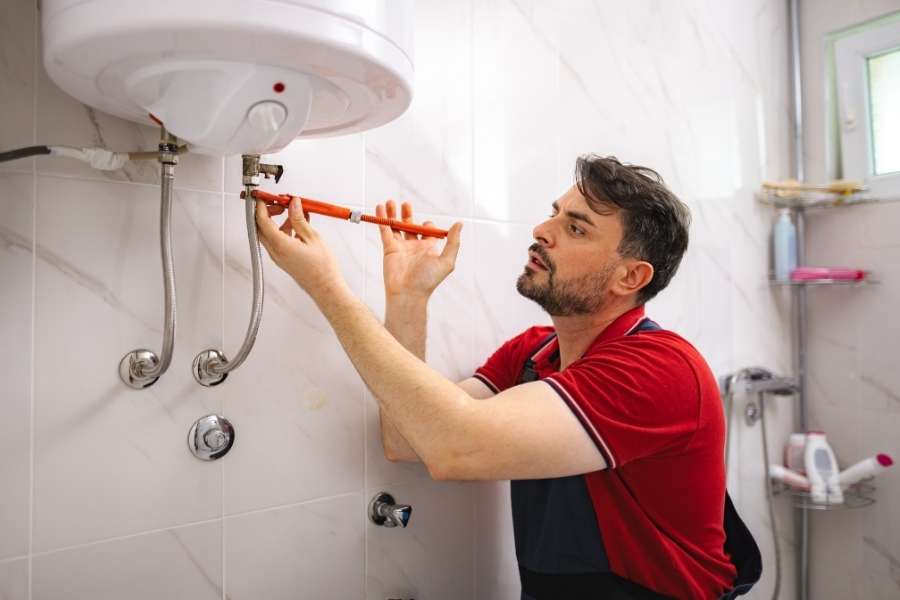
Every unique noise points directly to a specific mechanical failure inside your system. Listening closely lets you diagnose the actual issue in just a few minutes. Knowing how to unclog drains and prevent future blockages protects your overall household piping setup from pressure backups and unwanted mechanical strain.
Popping sounds indicate trapped water boiling under thick mineral crust layers inside. Heavy rumbling sounds mean a thick sediment layer restricts normal heat transfer. Squealing sounds point to restricted water flow through tight inlet valves. Continuous hissing sounds signal water leaking onto hot elements or internal seam leaks. Ticking sounds stem from loose plumbing pipe straps or natural pipe expansion.
How to Fix a Noisy Electric Water Heater
Fixing an electric unit requires basic tools and simple safety steps. Scale on heating coils causes most popping noises in electric tanks. Knowing how to fix a noisy electric water heater saves you hundreds today.
Always turn off main electrical power before touching any plumbing lines.
Safe Shut Down and Draining
First, switch off your dedicated breaker at the main breaker box. Confirm all electrical power is completely off using a reliable voltage tool. Close the cold water valve to stop new water flow immediately.
Attach a standard garden hose to the lower drain valve securely. Place the open hose end into a floor drain or outdoor space. Open a hot water faucet upstairs to break the internal tank vacuum.
Clearing Out Heavy Minerals
Open the lower drain valve to let dirty water flow out freely. You will quickly see signs of sediment accumulation in water tanks draining out. The water will look cloudy and carry small mineral rock pieces.
Turn on the cold water valve in quick ten second bursts repeatedly. This sudden pressure blasts remaining mineral chunks right out the garden hose. Continue flushing until clean water runs out of the hose consistently.
Replacing Broken Electric Elements
If popping sounds continue, check your lower element for thick hard scale. Shut off all power, drain the tank, and unscrew the element completely. Clean off light scale or replace severely damaged elements with new ones.
Close the drain valve and fill the unit with fresh water fully. Ensure water flows smoothly from indoor faucets before turning power back on. This single step prevents immediate damage to your new heating coils.
Essential Mechanical Parts You Must Check Today
Sediment is not the only source of loud plumbing sounds in homes. Critical safety valves and internal controls need regular manual inspections too.
Small mechanical failures can cause major damage if left alone for months.
Pressure Valves and Temperature Controls
Your system uses a pressure relief valve for safe operational pressure balance. If this safety valve drips or whistles, internal tank pressure is high. This dangerous pressure spike often stems from an undetected thermostat failure overheating.
Check your internal protective rod annually to prevent structural steel tank damage. Depleted rods allow aggressive rust to cause unfixable water leakage very fast. Replacing this cheap rod adds many extra years to your heating unit.
Repairing Your Tank Versus Installing a New One
Homeowners always wonder what causes popping sounds in hot water tanks eventually. Knowing the cause helps you choose between minor repairs or replacement.
If your appliance is young, simple maintenance will restore quiet operation easily. Flushing mineral deposits fixes most popping sounds without expensive technical repairs. Replacing a bad valve or rod is cheap and very effective.
However, knowing when to replace a failing water heater saves big money. System age is the primary factor when deciding on a replacement unit. Tank units older than ten years often reach the end of life.
Deep rust on the outer shell indicates dangerous structural wall failure. A heavy rumbling sound that stays after flushing signals severe internal damage. If you notice constant water leakage, replace your aging appliance immediately today.
Frequently Asked Questions
Why is my water heater making a popping sound?
A popping sound is caused by mineral sediment trapped inside your tank. Water boils underneath this heavy sediment layer and pops through the crust.
Is a noisy water heater dangerous?
A popping noise from sediment is usually not an immediate danger to homes. However, loud rumbling or whistling signals severe overheating or dangerous tank pressure.
How often should I flush my water heater tank?
You should flush your hot water tank at least once every year. Homes with very hard water need tank flushing every six months instead.
Can a bad thermostat cause unusual noises?
Yes, a failing thermostat keeps heating components running continuously without stopping ever. This constant heating boils water rapidly, creating excessive steam and loud noises.