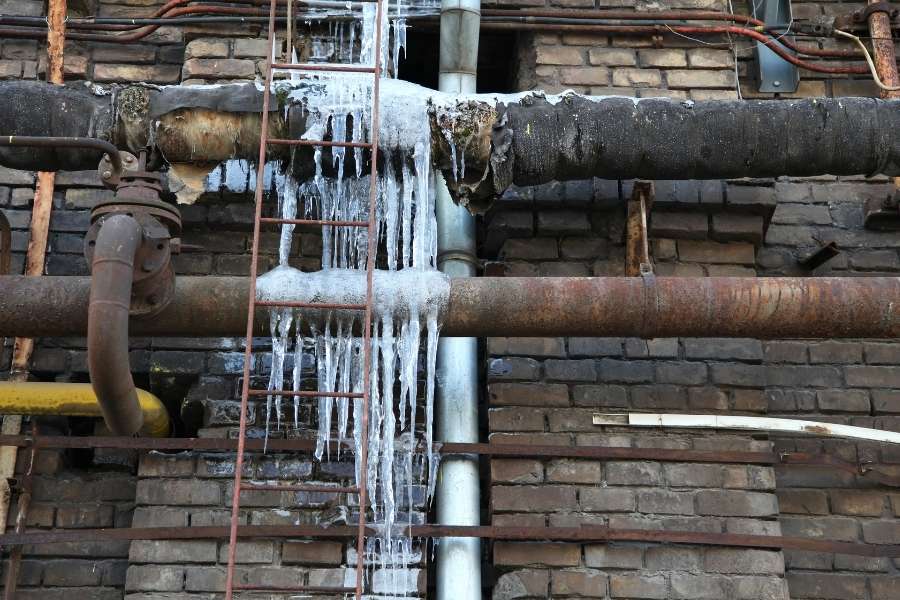
Imagine turning on your kitchen tap on a freezing morning. Nothing comes out except a hollow, dry metallic clink. That chilling silence usually means an ice dam has locked your plumbing lines. Trapped water expands violently as it turns to solid ice inside your house. That expansion exerts massive hydraulic force on joints and fittings. Unprotected plumbing lines split open like overinflated balloons under that stress. You suddenly face thousands of dollars in water cleanup costs.
The Insurance Institute for Business and Home Safety confirms this common risk. A single broken line floods living areas with gallons of water rapidly. Learning how to prevent frozen pipes saves your home and sanity. You do not need expensive gear to protect your property. Simple habits and smart weekend upgrades stop disasters before cold snaps hit. Let us keep your water flowing freely all season long.
How Winter Cold Destroys Residential Plumbing
Water behaves very differently from other liquids as temperatures drop low. Most liquids shrink when they get cold, but water expands. That volume growth reaches nearly nine percent inside closed metal lines. The resulting pressure builds downstream against closed faucets and fixtures. That rising hydraulic pressure causes the metal pipe to burst open. Mechanical stress also affects your central heating setup, causing a water heater making strange noises when pressure fluctuates rapidly during freezing conditions. Many homeowners often ask what temperature causes pipes to freeze.
The critical threshold is twenty degrees Fahrenheit for unconditioned plumbing spaces. That equals about minus seven degrees on the Celsius temperature scale. Research from the University of Illinois confirms that specific warning mark. Outside air chill eventually penetrates exterior siding and wall framing cavities. Freezing winds speed up thermal loss through bare exterior walls quickly. Moving outdoor air strips heat away faster than calm, still air. Pipes sitting in exterior framing drop to outdoor levels very fast. The stagnant water quickly solidifies into an immovable, rock-hard plug. Plumbing lines in unheated zones always face the greatest seasonal risk.
That includes crawlspaces, cold attics, basements, and exterior exterior walls. Even unheated kitchen cabinets create dangerous pockets of deep localized cold. A rapid drop in temperature can split those lines overnight. Plumbing lines crack quietly out of sight inside wall cavities. Homeowners rarely notice the fracture while the water stays frozen solid. The true catastrophe hits when the ice plug finally thaws out. Pressurized water then shoots out, soaking drywall, floors, and personal belongings.
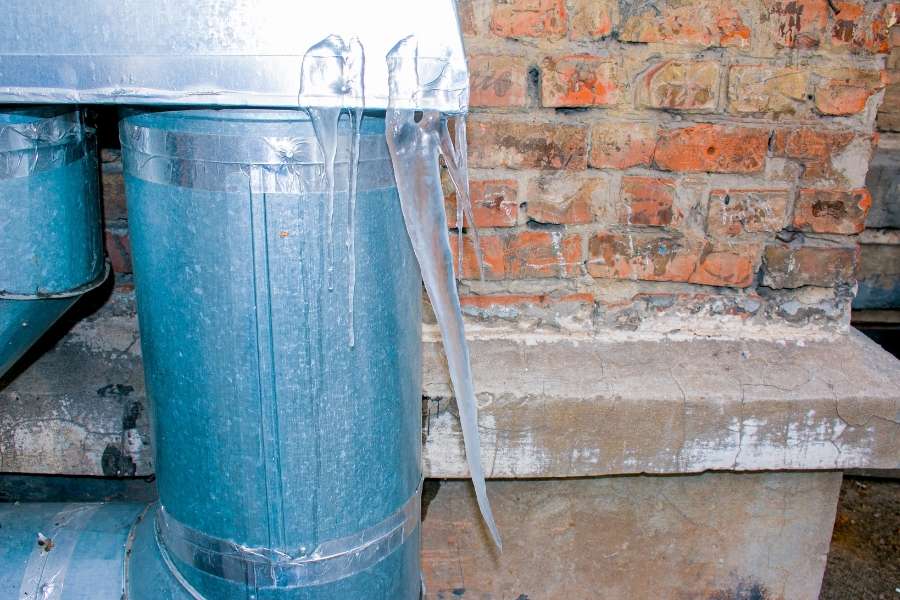
1. Add High-Quality Insulation to Vulnerable Lines
Cold drafts in unheated spaces will quickly drop pipe temperatures. Adding durable foam jackets keeps essential thermal energy inside the plumbing. It buys critical hours of protection during sudden winter storms. Upgrading older utility infrastructure with innovative plumbing solutions for modern homes provides long-term peace of mind against severe winter climate threats. Homeowners frequently ask how to insulate exposed pipes in the basement.
The process is simple and requires only basic hand tools. First, inspect all accessible plumbing runs across your subflooring joists. Measure your pipe diameter carefully so you buy the right jackets. Wipe down all metal or plastic tubing to remove surface dust. Slide tubular polyethylene foam sleeves directly over the bare lines. Cover all long straight runs and curved joints completely without gaps. Tape the lengthwise seams tightly using high-grade acrylic vapor tape. Avoid regular duct tape because it peels away in damp air. Keep the insulation snug against valves, joints, and perimeter framing.
Quality sleeves create an unbroken thermal barrier around the metal. They slow radiant heat transfer from your hot and cold lines. Always prioritize lines sitting near foundational vents and outside wall penetrations. This cheap physical barrier saves money on emergency plumber repair calls. Inspect your installed foam jackets every single autumn before winter arrives. Look for missing sections, chewed material, or sagging tape seams. Rodents sometimes damage foam insulation in unfinished basements and cold crawlspaces. Replace damaged sections immediately to maintain a strong thermal defense line.
2. Eliminate Drafts and Seal Exterior Wall Openings
Even thick foam fails if cold winds blow directly across tubing. Moving winter breezes cool copper lines through severe convective heat loss. Sealing outdoor air drafts keeps interior plumbing zones noticeably warmer. Take a bright work light and inspect your rim joists thoroughly.
Look for tiny gaps around exterior vents, cables, and spigot lines. Use outdoor-rated silicone caulk or expanding foam to seal cracks shut. Pack larger foundational openings tightly with dense mineral wool batting first. Do not overlook crawlspace access doors and old basement window frames. Replace dry, cracked weatherstripping around those drafty exterior entry points. Close foundation vents tightly if your crawlspace layout allows seasonal sealing. Stopping cold winter drafts protects your interior piping from freezing air. Sealing structural gaps also reduces your monthly home heating bills.
It stops cold drafts from entering your living areas from below. Your floors will feel warmer under your bare feet all day. Most importantly, nearby plumbing stays safe from sudden temperature drops. Check for drafts where outdoor hose bibbs enter your home. That entry hole often leaves large gaps in exterior wall sheathing. Fill those hidden voids completely with expandable polyurethane spray foam insulation. A tight house keeps warm air wrapped around your domestic pipes.
3. Protect Outdoor Spigots and Garden Faucets
Garden spigots are the most vulnerable plumbing points in any home. Metal bibbs extend directly outdoors, absorbing freezing air like cold sponges. Leaving a garden hose attached during winter guarantees an internal rupture. Homeowners need to know how to protect outdoor faucets from winter frost. The process takes five minutes and prevents catastrophic interior floods. Start by disconnecting every garden hose, nozzle, and decorative splitter early.
Drain residual water from the hoses and store them inside. Water trapped inside attached hoses backs up and destroys brass valves. Locate the dedicated interior shutoff valve for each outdoor spigot line. Close that interior valve tightly to stop incoming water flow completely. Walk back outside and open the exterior hose bibb all day. Return inside and loosen the tiny brass drain bleeder cap. Catch draining residual water in a small bucket until dry completely.
Screw the bleeder cap back on once all water drips out. Leave the exterior outdoor spigot valve cracked open all winter long. Install an insulated foam outdoor faucet cover over the exterior fixture. Tighten the rubber retaining cord to hold the cover in place. That exterior foam shell protects the brass body from winter wind. It traps escaping house warmth against the metal valve assembly outdoors. Homes without interior shutoffs still benefit greatly from these insulated shells. Never leave an outdoor water line bare to face the frost.
4. Let Indoor Faucets Drip During Cold Snaps
Keeping water moving is an effective defense against sudden deep freezes. Flowing water brings continuous trace heat into the domestic pipe network. It is an affordable temporary safeguard when bad storms strike hard. Turn on the faucet located furthest from your main shutoff valve.
Let it run at a pencil-thin trickle day and night. Allow both the hot and cold lines to drip very slightly. If ice forms inside, the open faucet allows displaced water escape. That open relief route stops pressure from blowing joints apart violently. A continuous drip wastes only a few pennies worth of water. Compare that tiny utility cost to massive flood remediation contractor bills. You can capture that dripping clean water in buckets for cooking. Use that saved water to brew morning coffee or water houseplants.
Turn off the drip once outdoor temperatures rise above freezing marks. This simple trick provides great short-term safety during sudden blizzards. Combine this trick with open interior doors for maximum defensive protection. It keeps water moving smoothly when temperatures crash outside your walls. Ensure the sink drain flows freely before starting any faucet drip. You do not want an accidental sink overflow while you sleep. Clear hair and debris from bathroom P-traps and pop-up stoppers. Safe drainage ensures your home stays protected without any flooding surprises.
5. Keep Warm Air Circulating to Hidden Spaces
Central home heating warms your open living spaces, not wall cavities. Deep cabinet boxes and heavy vanities isolate pipes from indoor warmth. That creates cold microclimates where water freezes despite warm living rooms. Open up kitchen and bathroom cabinet doors during severe winter cold. This allows warm air from your heater to reach piping. Leave cabinet doors wide open overnight during every severe cold wave.
Warm air sweeps inside to raise temperatures around cold supply tubing. Remove hazardous cleaning chemicals from open cabinets if you have curious pets. Use a small room fan to blow air into low-lying corners. Never set your thermostat below fifty-five degrees Fahrenheit when traveling. Lowering heat too much allows hidden wall cavities to freeze fast. Ask a neighbor to check your house during extended holiday trips. They can ensure your heating system runs properly during severe storms. Plumbing under corner sinks requires extra attention during bad cold spells. Corner sinks frequently share two bare exterior walls with the outside.
Aim a small portable electric fan directly toward those cold spaces. That forced indoor airflow prevents freezing pockets from settling near pipes. Keep interior hallway and bedroom doors propped open throughout your home. Open floor plans help heat circulate evenly across all living zones. Balanced indoor warmth prevents cold spots from developing in perimeter rooms. Consistent warm temperatures protect your concealed pipes day and night reliably.
6. Install UL-Listed Electric Heat Cables
Passive foam insulation alone might fail during prolonged sub-zero weather spells. Extreme cold eventually penetrates foam if no heat source exists nearby. Active electric heat tracing cables provide steady warmth to cold lines. Buy only certified, UL-listed heat tape designed for your pipe material. Read the manufacturer instructions carefully before starting any installation project today. Carefully wrap or run the cable straight along the pipe length.
Never overlap heating cables over themselves because they can overheat dangerously. Secure the heating cable tightly using manufacturer-approved fiberglass tape strips. Do not use metal wire, zip ties, or common electrical tape. Once the cable is attached, fit closed-cell foam sleeves over everything. That foam jacket pushes the generated heat directly into your pipe. Plug the cable into a ground-fault circuit interrupter electrical outlet. Integrated thermostats automatically activate the heat when ambient temperatures drop low.
The system warms your pipes without wasting power during warmer afternoons. It provides dependable physical protection against every severe sudden outdoor freeze. Check the heat cable indicator light periodically to confirm normal operation. Many modern cables feature small lighted plugs that show active power. Unplug the heating cable during warm summer months to extend lifespan. Test the cable each autumn by applying an ice cube directly.
7. Create an Emergency Plumbing Action Plan
Even the best preparation can sometimes be overwhelmed by brutal cold. You need an organized plan ready if your plumbing lines freeze. Fast, deliberate action turns a potential disaster into an easy repair. Teach every adult in your household how to shut off water. Locate the main house water shut-off valve before winter storms strike. That brass valve usually sits in the basement or water meter pit. Test the valve annually to ensure it turns smoothly without sticking. Never use open-flame torches or propane heaters to thaw frozen lines. Open flames ignite structural wall lumber and boil water into explosive steam. Use a common electric hairdryer, a heating pad, or warm towels.
Gentle, gradual heat warms the pipe safely without damaging your home. Homeowners facing frozen lines must follow emergency steps for frozen water pipes. First, shut off the main supply valve to eliminate incoming pressure. Open the affected faucet slightly to give melting water an exit. Work the hairdryer slowly from the open faucet back toward ice. Keep a flashlight handy to watch for cracked joints as metal warms. Call a licensed, insured plumbing professional immediately if you spot cracks.
Do not reopen the main water valve until damaged sections get replaced. Keep buckets, mops, and dry towels handy in your utility room. Quick thinking keeps small leaks from turning into total home disasters. Regular seasonal maintenance is the real secret to safe winter plumbing. A few inexpensive supplies protect your property throughout the cold months. Make pipe safety part of your standard autumn home maintenance routine. You will rest easy knowing your plumbing can survive any deep winter storm.
Frequently Asked Questions
What are the earliest signs that my pipes are freezing?
The main warning sign is a faucet that only produces a tiny trickle. You might also hear strange bubbling sounds when opening your bathroom fixtures. Frost appearing on visible basement lines indicates an advanced freezing problem nearby. Strange odors from sink drains also signal ice blockages inside vent pipes.
Should I keep my heating running at the same temperature overnight?
Yes, maintaining a steady thermostat setting all night protects your plumbing lines. Lowering indoor temperatures overnight allows unheated wall spaces to cool down dangerously. A constant indoor temperature keeps heat circulating inside plumbing wall cavities consistently. That slight heating expense prevents thousands of dollars in water leak repairs.
Is it safe to leave electric heat tape plugged in all season?
Certified, modern heat cables with built-in thermostats are safe for continuous winter use. They turn on only when local ambient temperatures drop near freezing levels. Inspect cables every autumn for brittle plastic, visible cracks, or damaged wires. Replace any damaged or aging cable immediately to prevent electrical fire hazards.